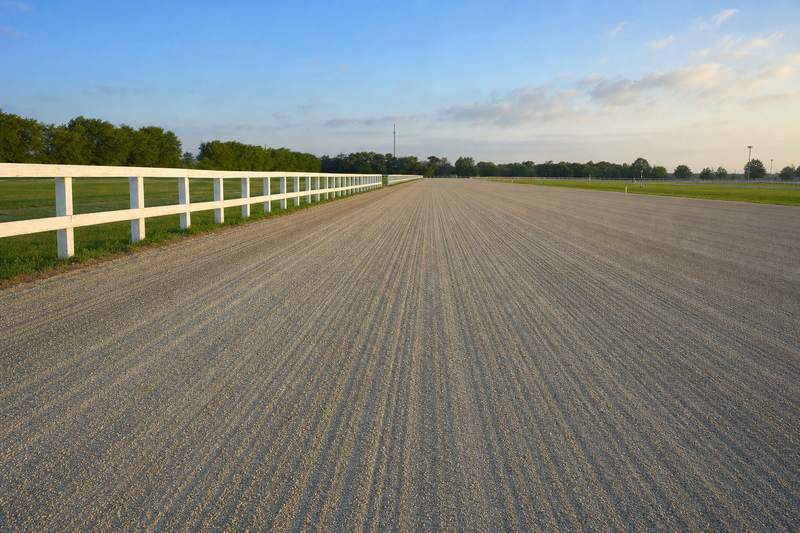
11 races at Plainridge Racecourse, pace and trot, $36,100 in purses.
The Card
The official chart survives for 11 of the 11 races on this card. Every line carries the finishing position, the post position drawn, the winning time and the odds the board closed at as the judges recorded them.
The fastest mile of the afternoon was 2:00.4. Harness times are read as minutes, seconds and fifths
rather than hundredths, so that trailing digit is a fifth of a second — the notation the sport kept long
after other codes moved to decimals.
First Race
Pace · 1 Mile · Purse $2,500 · 6 starters · Track FT · NW2PMLT
Fin
PP
Horse
Trip
Time
Odds
Driver
Trainer
SCR
SCR
KIWIS TEDI
—
-
—
—
—
27.431.229.331.1
quarters · widest is slowest · 1st qtr was quickest
Mixed — 8 at the pace and 3 at the trot. Mixed cards were the norm here.
What was the total purse for the day?
$36,100 across the card. Purse is the money the race offered, split by finishing position.
Which class conditions were carded?
NW2PMLT, FMNW300PS, NW1500, FMNW200PS and 10000CL, plus 6 others. Each one is a set of eligibility conditions rather than a grade.
How many races were on the card?
11 races, of which 11 carry a full chart with finishing positions. 91 horses appear across the card.
Are the payout figures available for this date?
No. Mutuel sheets were printed without a year on them, so a sheet is only attached to a card when at least three horse names match a date of the same month and day. Nothing matched here, and no price is guessed at.
When in the year was this card run?
It was a Monday in July 2003. The meeting ran from spring into autumn rather than year-round, so a season reads as a scatter of afternoons and evenings — the 2003 index shows which other dates survive around this one.
What is the difference between the entries and the chart?
An entry sheet is printed before the race and lists the field as drawn, with post positions and the driver named at the time. A chart is written afterwards and fixes what happened: the order of finish, the beaten margins, the quarter fractions and the time. Scratches and driver changes fall between the two, so where both stand for one date they do not always agree.